Edmonton Housing Types Comparison for Buyers
Trying to choose between a detached home, duplex, or townhome in Edmonton? You are not alone. For many buyers, the hardest part is not deciding to move, but figuring out which home style actually fits your budget, lifestyle, and comfort level with upkeep. This guide breaks down how these options compare in Edmonton so you can narrow your search with more confidence. Let’s dive in.
Before you compare price or lifestyle, it helps to understand what these terms mean in Edmonton.
The City of Edmonton treats single detached, semi-detached, duplex, and row housing as separate housing forms. A single detached home is one principal dwelling with direct ground access. A semi-detached home has two side-by-side dwellings that share a vertical party wall, while a duplex in Edmonton means one dwelling is placed over another with separate access.
That last point matters. Many buyers use duplex and semi-detached as if they mean the same thing, but Edmonton does not define them that way. If you are comparing listings, knowing the official difference can help you better understand layout, privacy, and ownership details.
Townhomes are generally grouped under row housing when they are attached in a line of three or more homes. In Edmonton, row housing means three or more principal dwellings joined at the side or rear, each with direct ground-level access.
For many buyers, price is where the decision starts.
Based on the latest Greater Edmonton Area data from June 2026, detached homes averaged $592,989. Semi-detached homes averaged $434,651, and row or townhomes averaged $303,117. That creates a pretty clear budget ladder for buyers shopping across Edmonton.
In simple terms, you can think of the market like this:
This does not mean every home will fall neatly into those buckets. It does mean that, city-wide, detached homes usually sit at the top of the price range, while townhomes often offer the lowest entry point of the three.
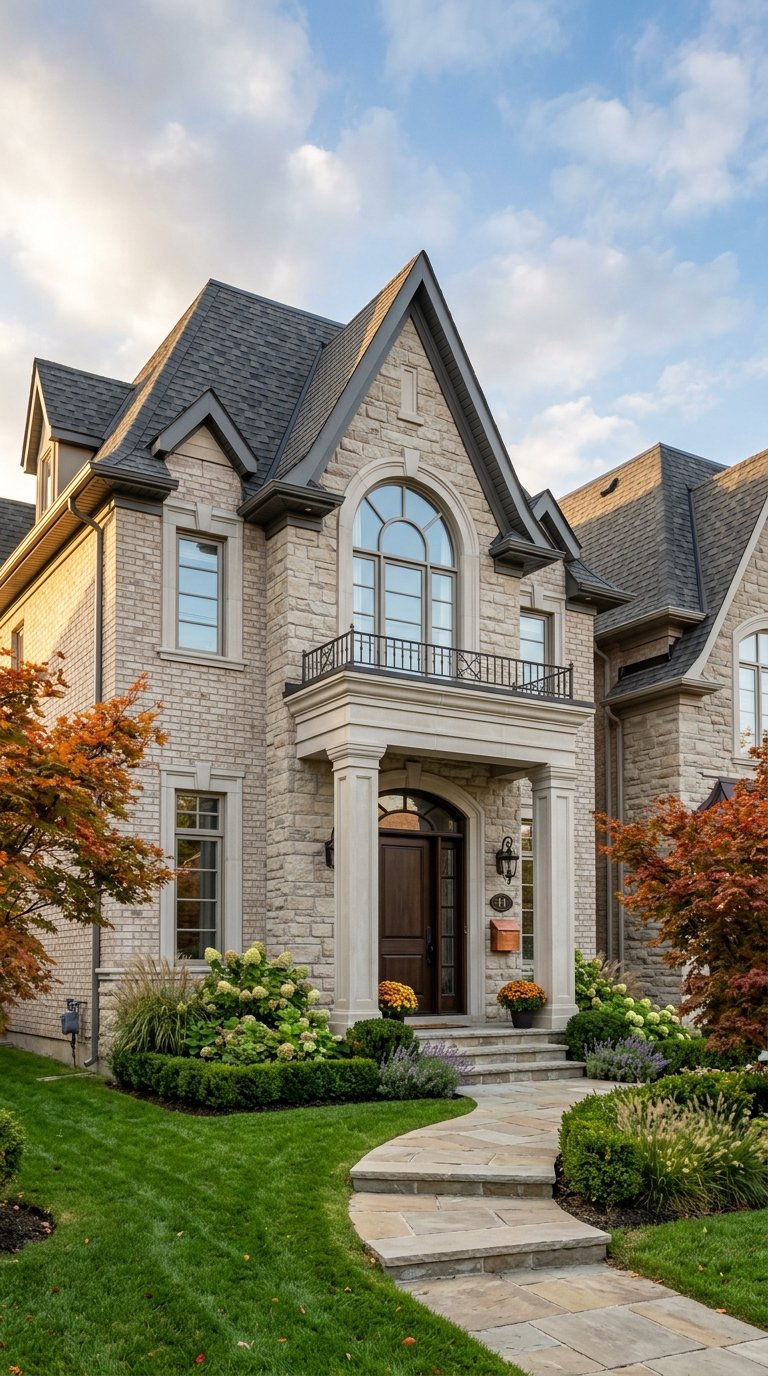
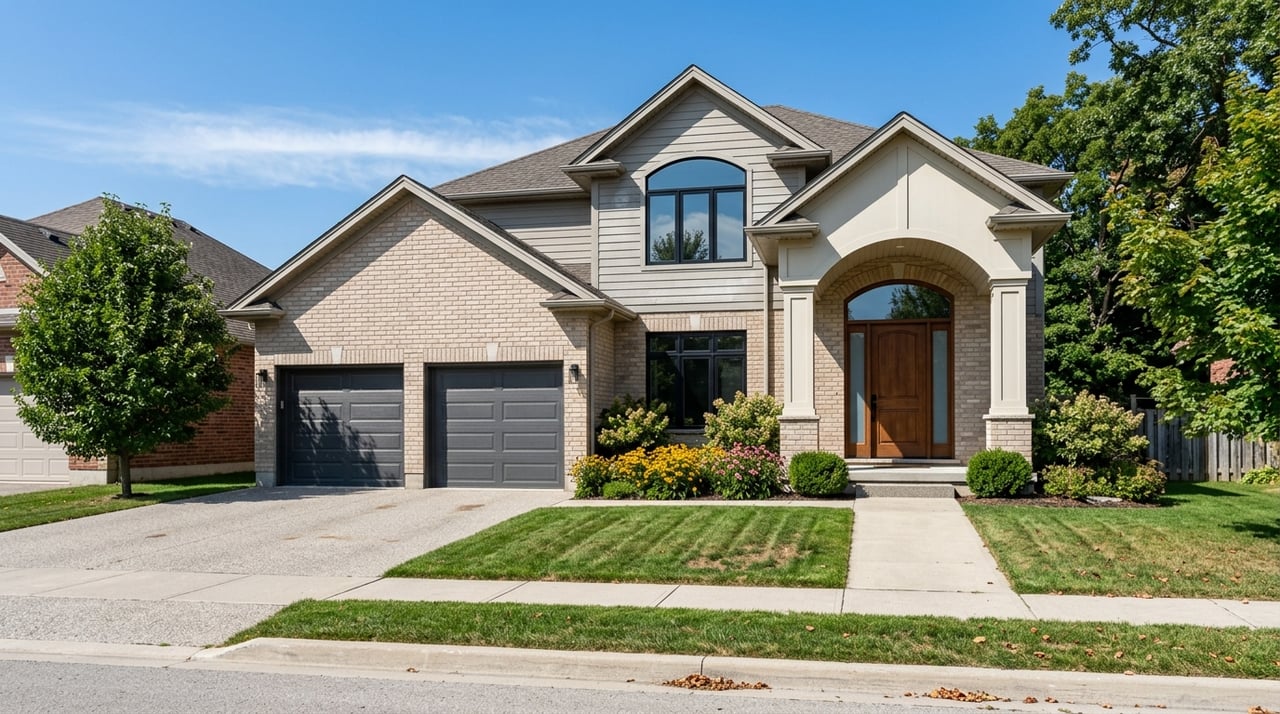
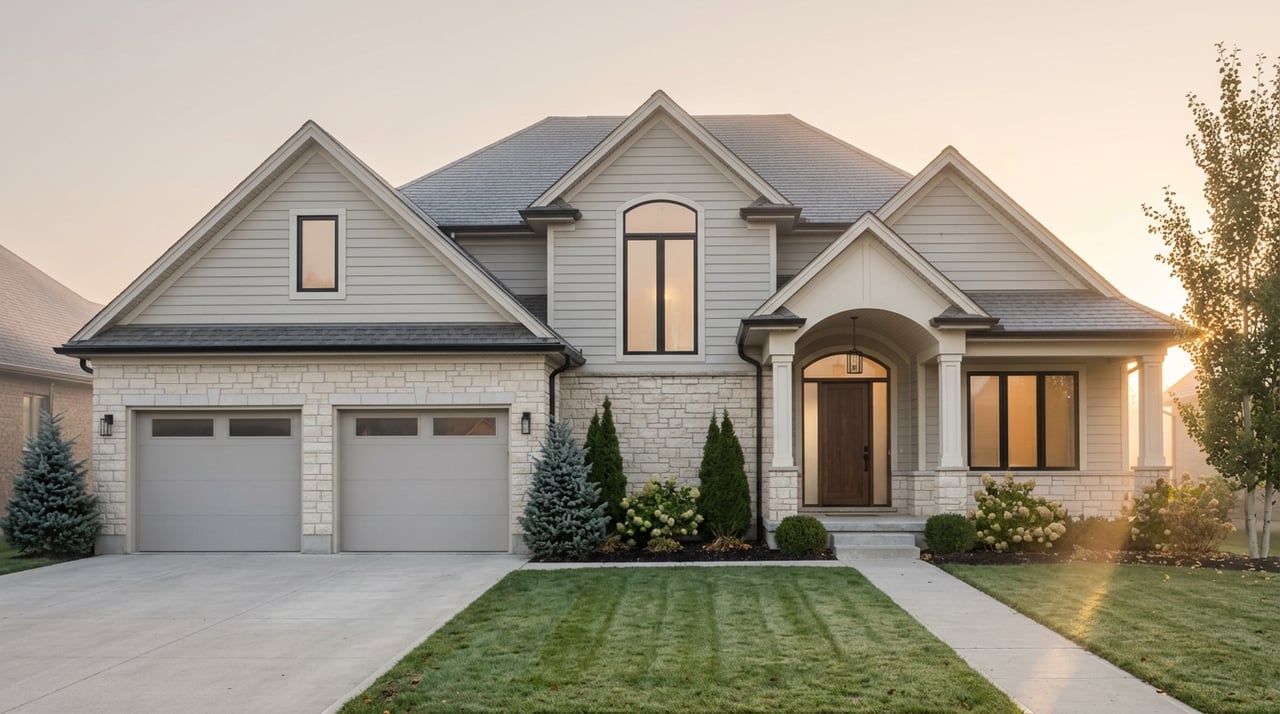
If you want the most space, privacy, and control over your property, a detached home is often the natural fit.
Detached homes usually give you more separation from neighbors and more flexibility with how you use the home and lot. For many buyers, that can mean more room to grow, more outdoor space, and a stronger sense of independence.
The trade-off is maintenance. In practice, detached ownership usually means you are responsible for landscaping, seasonal upkeep, exterior repairs, and the systems inside the home. Alberta consumer guidance is clear that a home is made up of systems that need regular care over time.
That said, not every detached-looking property works the same way. If a property is structured as a bare-land condominium, some responsibilities may be divided differently. That is why it is always smart to look beyond the curb appeal and review the title structure.
Detached homes often appeal to buyers who:
If a detached home feels like a reach, but you still want a more traditional low-rise feel, duplexes and semi-detached homes can offer a strong middle-ground option.
In Edmonton, these two categories are not the same. A semi-detached home is side-by-side with a shared vertical wall. A duplex is stacked, with one principal dwelling above or below the other.
From a buyer’s point of view, the main appeal is often value. These homes can offer a lower purchase price than a detached home while still giving you direct access and a more grounded residential feel than some other ownership types.
Maintenance can vary quite a bit, though. Some properties are freehold, while others may be condominium ownership. That affects who handles exterior work, common elements, and shared costs.
Buyers often look at this category when they want:
If you are comparing these homes, ask how the property is titled. Two homes may look similar online but come with very different maintenance responsibilities and monthly costs.
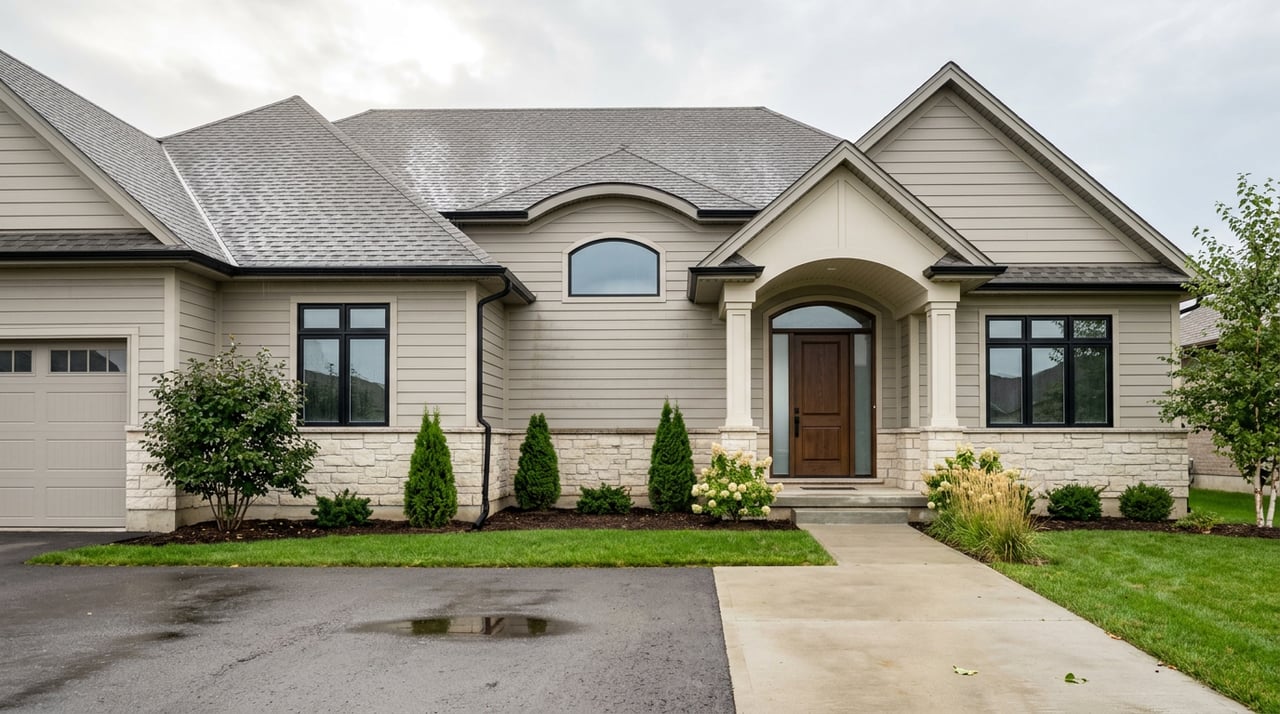
Townhomes are often the most flexible category in terms of ownership structure.
In Edmonton, some townhomes are fee-simple row homes. Others are condominium or bare-land condominium properties. That means the word townhome tells you about the physical form, but not always the ownership model.
This is where many buyers get tripped up. A condo townhome may include monthly contributions, bylaws, common property, and reserve fund planning through the condominium corporation. In many of these cases, the corporation handles common property and major repair reserve funds, while owners remain responsible for their unit unless the bylaws say otherwise.
Bare-land condominiums add another layer. The City of Edmonton notes that these units are similar to townhouse units, except the owner also owns the land. Alberta guidance also notes that owners in bare-land condominiums usually maintain exterior walls, roof, foundation, driveway, and landscaping inside the survey markers.
Townhomes often appeal to buyers who want:
The trade-off is that some townhomes come with condo fees, bylaws, and shared decision-making. In other words, less hands-on upkeep can sometimes mean more structure around how the property is managed.
If you are stuck between these three options, maintenance and title type may be just as important as price.
Here is the simplest way to think about it. Detached homes often come with the most direct control, but also the most direct responsibility. Duplexes and semi-detached homes sit in the middle, while townhomes can vary the most depending on whether they are fee-simple or condominium.
| Home Type | Typical Price Position | Ownership Feel | Upkeep Considerations |
|---|---|---|---|
| Detached | Highest | Most independent | Owner usually handles most maintenance |
| Duplex/Semi-Detached | Middle | Balanced | Responsibilities depend on title structure |
| Townhome | Lowest | Most variable | May include fees, bylaws, and shared property obligations |
That is why the smartest question is not just, “Which home type is best?” It is, “Which home type best matches how you want to live and what you want to manage?”
Beyond price, market pace can also shape your expectations.
At the end of the first quarter of 2026, Edmonton had 2.8 months of inventory for single detached homes and 2.7 months of inventory for townhouse and row units. Median days on market were 27 days for detached homes and 33 days for townhouse or row units.
That tells you two helpful things. First, both categories were operating in fairly similar inventory conditions. Second, townhomes were taking a bit longer to sell than detached homes, even with similar supply levels.
For buyers, that may mean a little more breathing room in some townhome searches. For sellers, it is a reminder that pricing and presentation still matter, no matter the property type.
The best choice usually comes down to your priorities, not just square footage.
If your top priorities are privacy, space, and flexibility, a detached home may be the better match. If you want to reduce the purchase price while keeping a more traditional residential feel, a duplex or semi-detached home may make more sense.
If affordability is the biggest factor, or you like the idea of a more managed ownership setup, a townhome may be worth a closer look. Just be sure to review whether the listing is fee-simple, condominium, or bare-land condominium before you decide.
Edmonton’s housing mix is broad, and the right option often depends on the individual community, lot pattern, and development style. Once you know which home type fits you best, your search gets much easier at the neighborhood level.
Choosing a home style is part financial decision, part lifestyle decision, and a little bit personality test too. If you want clear guidance on what fits your budget and goals in Edmonton, the team at The Anderson Co. is here to help you compare options and move forward with confidence.

Through curated systems and a collective approach, we deliver a positive experience in one of the most significant transactions of your life. Establishing foundational relationships built on trust, education, transparency and fun, we are committed to supporting our clients in a successful real estate journey. Contact us today!