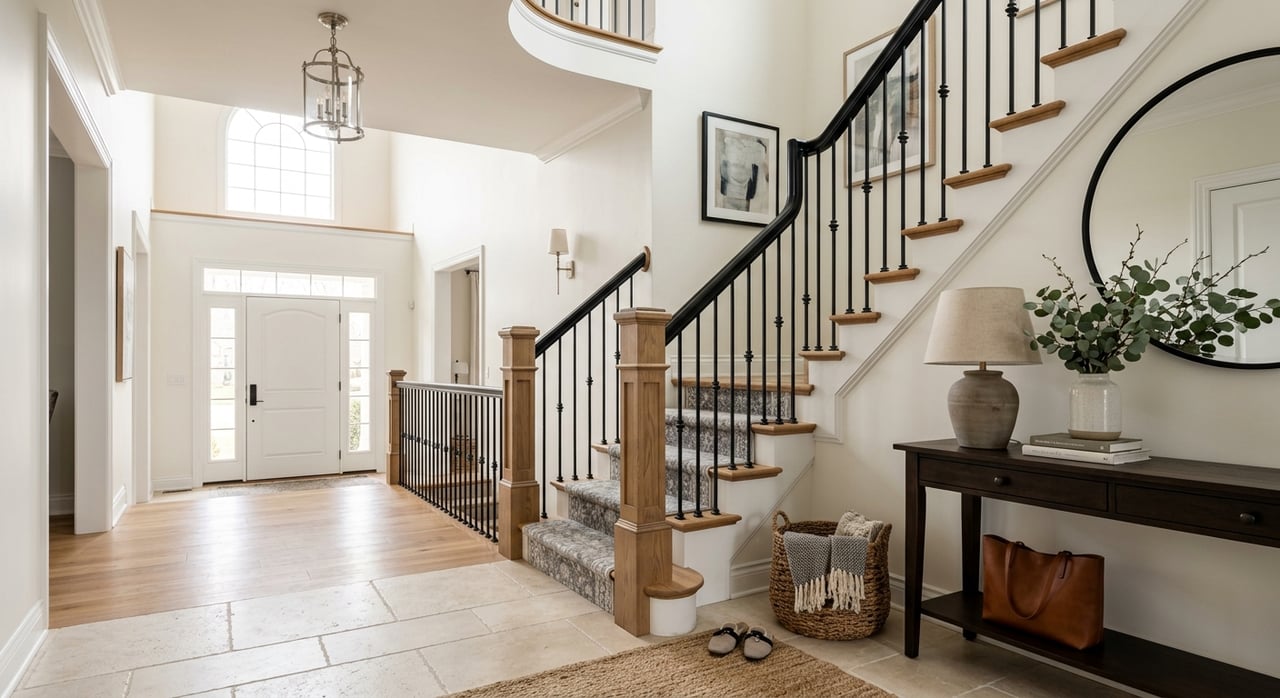
Getting Ready For A Home Appraisal On Your Leduc Property
Worried your home appraisal might make or break your next move in Leduc? You are not alone. Whether you are selling, refinancing, renewing a mortgage, or planning to borrow against your equity, an appraisal can feel like a big unknown. The good news is that a little preparation can help the process go more smoothly and reduce surprises. Let’s walk through what an appraisal is, what appraisers look for, and how to get your Leduc property ready.
A residential appraisal is an independent opinion of your property’s market value on a specific date. In Canada, the Appraisal Institute of Canada says appraisers provide fair and objective valuations, and residential appraisals are often used when a home is sold, mortgaged, assessed, insured, or developed.
That value is not a guess and it is not based on one quick walkthrough. It reflects current market conditions, your home’s features, and how your property compares with similar recent sales.
In Leduc, an appraisal often comes up when you are buying, selling, refinancing, renewing a mortgage, or applying for a home equity product. The appraisal helps confirm market value and can help a lender determine how much you may be able to borrow.
That matters because Leduc is a growing city with more than 36,000 residents and strong regional connections. With access near Highway 2, Edmonton International Airport, and transit connections to Edmonton, Nisku, Amazon, the airport, and the Premium Outlet Collection, location factors can shape how comparable sales are viewed.
A home appraisal is not the same thing as your municipal assessment. In Alberta, property assessment is part of the tax system, and assessments are prepared annually to help determine property taxes.
In Leduc, the city notes that assessed value is used to calculate property tax, and the assessment notice is not your tax bill. An appraisal, by contrast, is a market value opinion used for lending and other property decisions.
During the inspection, the appraiser gathers information about both the inside and outside of your home. This can include room layout, dwelling measurements, improvements, garages or outbuildings, and site improvements.
They may also ask about your home’s original construction date, major additions or renovations, extra features, and recent marketing activity. That can include listing history, offers from the past 12 months, and any sales within the previous three years.
After the visit, the appraiser usually reviews 3 to 10 or more comparable properties. The final opinion of value is developed through that market analysis, not just from what is seen during the inspection.
Several factors can influence how your property is valued:
The onsite inspection is often shorter than many homeowners expect. According to the Appraisal Institute of Canada, a typical site inspection takes 20 to 40 minutes or more, depending on the property.
The bigger part of the work happens after the visit. That is when the appraiser studies comparable sales, reviews market conditions, and develops the final value opinion.
Preparing for an appraisal is less about putting on a show and more about making your home easy to understand. Your goal is to help the appraiser document the property clearly and accurately.
Clear access to the areas the appraiser may need to see. That can include the basement, utility room, garage, attic, crawlspace, and any outbuildings.
If parts of the home are hard to reach, it may slow down the inspection or make it harder to document key features. A smooth visit starts with simple access.
Make a basic list of updates and upgrades you have completed. Focus on additions, renovations, and energy-efficiency improvements.
This helps the appraiser understand what has changed over time. It is especially useful if you have completed work that may not be obvious at first glance.
If you can, take care of obvious repairs before the appointment. Appraisers consider deficiencies and required repairs as part of the valuation process.
That does not mean you need a full renovation. Even small cosmetic touch-ups like fresh paint, updated lighting, or replacing worn hardware can help your home present as well maintained, though they do not guarantee a specific value increase.
The appraiser may ask whether the home has been listed recently, whether you received offers in the past year, or when it last sold. Having those details ready can make the conversation easier.
You do not need a long package of paperwork unless your lender or appraiser requests it. A simple, accurate summary is often enough.
One of the biggest misconceptions is that the appraiser will tell you the value at the front door. Usually, that does not happen.
Most of the valuation work takes place after the inspection, once the appraiser reviews comparable sales and market data. So if the visit feels brief, that does not mean the process was rushed.
A clean and tidy home can help the appraiser move through the property efficiently, but cleanliness alone does not determine market value. The final value comes from the appraiser’s analysis of your home’s features, condition, and comparable sales.
Renovations can also help, but there is no automatic one-to-one payback. Some upgrades improve market appeal, while others may not return their full cost in appraised value.
A lower-than-expected appraisal can feel frustrating, especially if you are in the middle of a purchase, refinance, or sale. But it does not automatically mean the deal is over.
CMHC advises discussing next steps with your mortgage professional, realtor, or other members of your team. Depending on the situation, there may be options worth reviewing.
An appraisal is one part of a bigger real estate picture. When you are preparing to sell, refinance, or make your next move in Leduc, local guidance can help you understand how your property fits into current market conditions.
At The Anderson Co., the focus is on clear education, practical advice, and a high-touch client experience. That can include pricing guidance, valuation support, staging referrals, and help you prepare your home to make the strongest possible impression.
If you are wondering how your Leduc property may be viewed in today’s market, The Anderson Co. can help you take the next step with confidence.



Through curated systems and a collective approach, we deliver a positive experience in one of the most significant transactions of your life. Establishing foundational relationships built on trust, education, transparency and fun, we are committed to supporting our clients in a successful real estate journey. Contact us today!