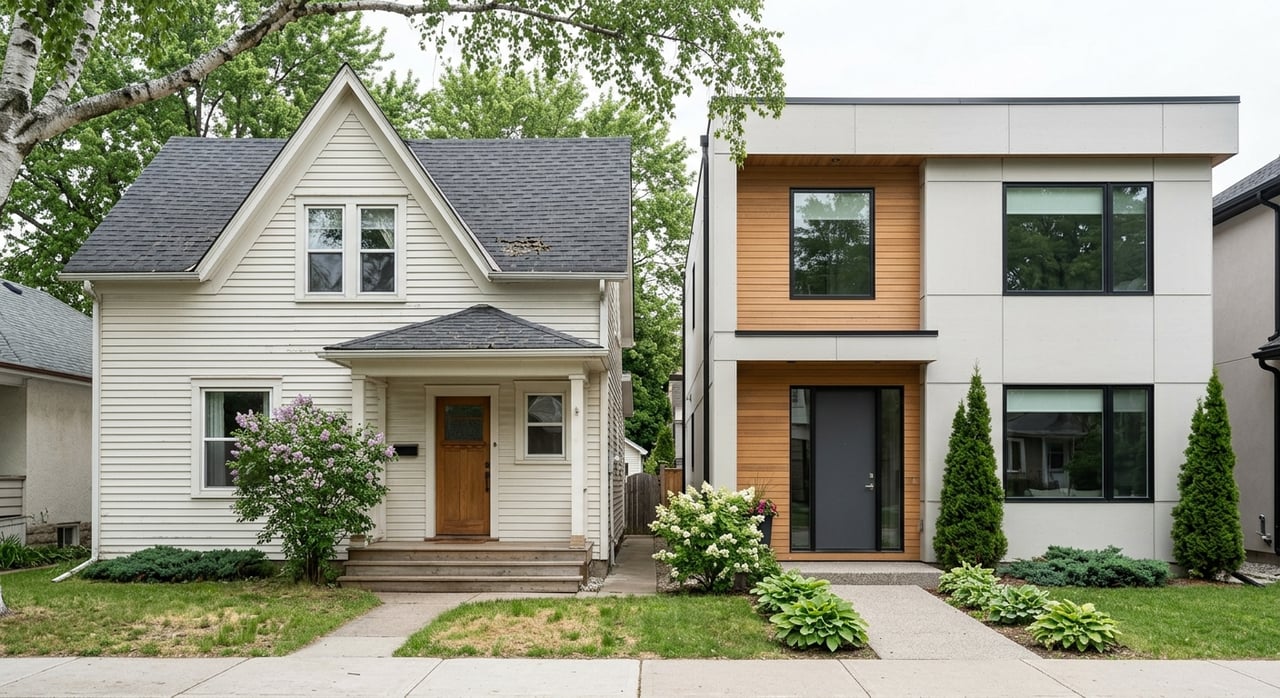
Ritchie Character Homes vs Infill: How to Choose
Wondering whether a character home or an infill is the better fit in Ritchie? You are not alone. This is one of the most common questions buyers face in this established Edmonton neighbourhood, where older homes and newer builds often sit within blocks of each other. If you are trying to balance charm, layout, upkeep, and long-term fit, this guide will help you compare both options with more confidence. Let’s dive in.
Ritchie is not a uniform neighbourhood, and that is exactly why this decision matters. According to the City of Edmonton’s neighbourhood profile, most structures in Ritchie were built before 1950, yet the area also includes ongoing redevelopment and a mix of residential, commercial, and industrial properties.
That mix gives you two very different ownership experiences in the same neighbourhood. The Ritchie Community League describes the area as an eclectic blend of wartime houses, vintage bungalows, and contemporary new builds, with Mill Creek Ravine, Whyte Avenue, and tree-lined streets helping define the local feel.
In Ritchie, a character home usually means an older house built before 1950. Because so much of the neighbourhood dates back to earlier development periods, these homes often reflect older building styles and room layouts.
In practical terms, that can mean more separated living spaces, different room proportions, and less built-in storage than you might see in a newer home. That will not apply to every property, but it is a common pattern in a neighbourhood with an older housing stock.
The biggest draw is often the sense of place. Ritchie developed after the Calgary and Edmonton Railway arrived in 1891, and its history still shapes the neighbourhood today.
Older homes can feel more connected to the established streetscape, mature trees, and the long-standing rhythm of the area. The City’s profile also points to historic commercial growth near Whyte Avenue, a former streetcar connection, and the ravine as part of what gives Ritchie its identity.
Charm is real, but so is maintenance. Older homes may come with aging systems, previous renovations of varying quality, or upgrade needs that are not obvious during a casual showing.
A professional home inspection is an important step before you finalize a purchase. In Alberta, home inspectors and home inspection businesses must be licensed, which gives you a clearer standard when you are choosing who to hire.
You should also leave room in your budget for repairs and maintenance. Older homes can often be improved over time, including energy performance upgrades, but those updates are part of the ownership picture.
Not every older home in Ritchie is a designated historic resource, but some properties in the area may have heritage considerations. Edmonton’s historic resources program notes that designated resources can require additional review before certain alterations are approved.
That matters if you are already thinking about major exterior changes or structural work. Before making plans, verify whether the property has any heritage designation or related restrictions.
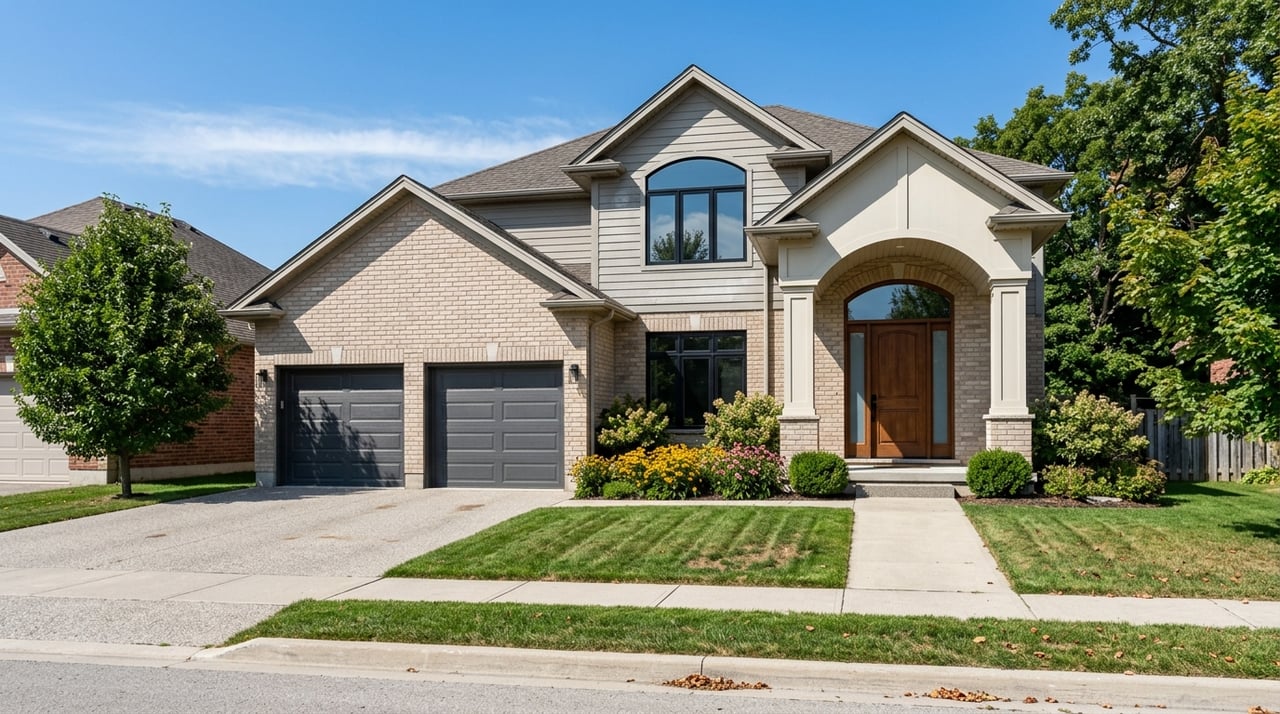
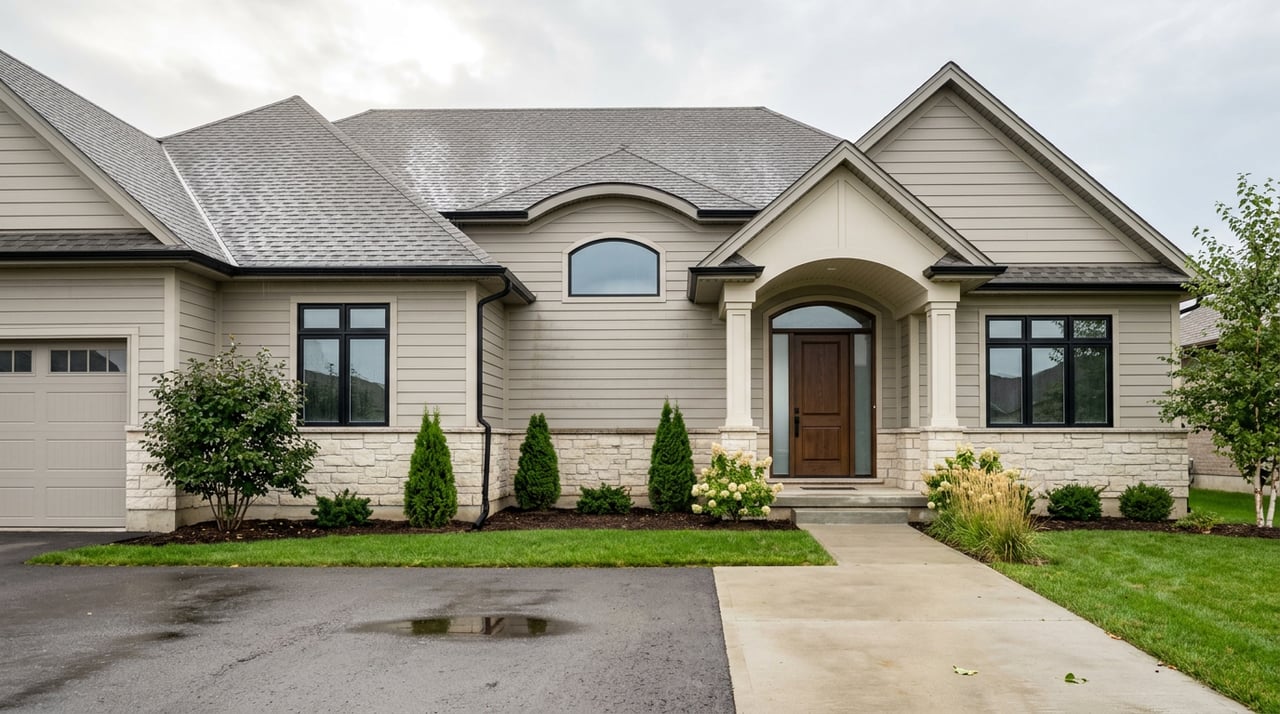
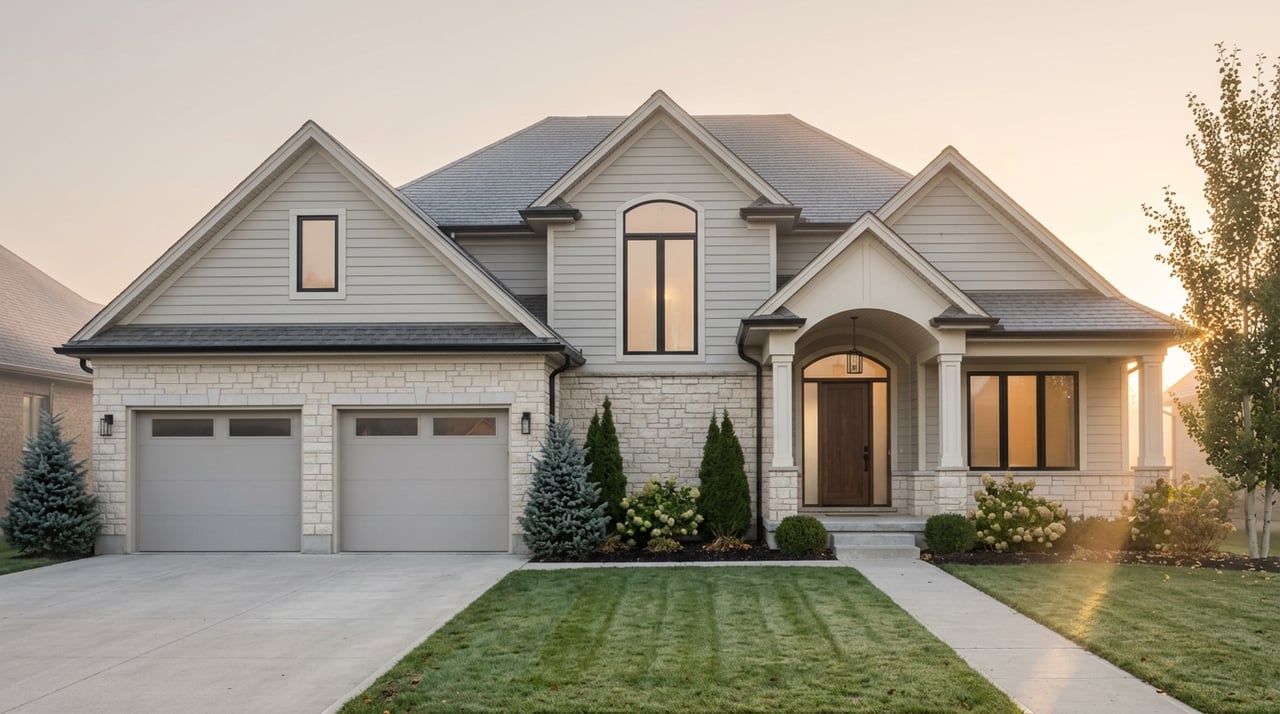
Infill in Ritchie usually means newer residential construction built within an established neighbourhood. The City of Edmonton says infill plays an important role in adding housing choice in mature areas, and Ritchie is one of the places where that change is visible.
These homes may be detached, attached, or multi-unit forms depending on the site and zoning. Under Edmonton’s Small Scale Residential zone, development in these areas is guided by current zoning, permit review, and building requirements.
The appeal of infill is usually simple: newer construction and a more modern way of living. Buyers are often drawn to more contemporary floor plans, updated systems, and a lower immediate repair burden compared with many older resale homes.
That does not guarantee every infill home will feel the same, but it is a reasonable expectation. Edmonton’s energy code requirements for new homes, effective May 1, 2024, focus on things like the building envelope, heating and ventilation systems, air leakage, and service water heating.
Newer does not always mean fully finished in every respect. Some infill properties may still have landscaping, grading, or final exterior work that needs to be completed.
Edmonton requires both a Development Permit and a Building Permit for new homes, and infill development in mature neighbourhoods also requires a lot grading plan. As a buyer, it is smart to confirm which steps have been completed and whether there are any remaining items tied to the property.
Ritchie’s older area plan is no longer what governs current development. The City lists the Ritchie NIP/ARP Consolidation as repealed in 2021, which means today’s projects are assessed through the current zoning bylaw, zoning map, and permit process.
If you are buying an infill, confirm the property’s current zone and review permit history. Under the RS Small Scale Residential zone, current rules allow up to 3 storeys, with a maximum height of 10.5 metres, though City Council approved a reduction to 9.5 metres effective August 1, 2026 for applicable development permit approvals.
Here is the simplest way to think about it: you are not choosing between two different neighbourhoods. You are choosing between two different lifestyles within the same neighbourhood.
| Feature | Character Home | Infill |
|---|---|---|
| Typical age | Usually pre-1950 | Newly built or recent construction |
| Layout style | Often more segmented | Often more open and contemporary |
| Maintenance outlook | Higher chance of repairs and upgrades | Usually lower immediate repair needs |
| Neighbourhood feel | Strong connection to older streetscape | Newer home in established area |
| Renovation considerations | May need retrofit work, possible heritage review | Permit, grading, and completion checks matter |
| Code and energy standards | Varies by age and updates | Built under current code requirements |
If you light up when you walk into an older home and can picture yourself taking on updates over time, a character home may be the better fit. You may value the mature setting, the established streetscape, and the one-of-a-kind feel that often comes with older properties.
If you want a more modern layout and fewer near-term projects, infill may suit you better. You may prefer the convenience of newer systems, current code compliance, and a home that aligns more closely with today’s construction standards.
For many buyers, the answer comes down to how you want to spend your time and money after possession. Do you want to personalize and improve an older home over time, or would you rather step into something newer with fewer immediate unknowns?
No matter which path you prefer, a few practical checks can save you stress later.
Ritchie offers something many buyers want but cannot always find in one place: choice. You can pursue older-home character, newer construction, or a balance of both, all while staying in a neighbourhood with deep roots and an active redevelopment story.
The area’s history, mixed housing stock, and mature inner-city setting are what make this comparison so relevant. Whether you lean toward a vintage bungalow or a contemporary infill, the right move is the one that fits your budget, your comfort with upkeep, and the way you want to live day to day.
If you are weighing homes in Ritchie and want practical guidance on what fits your goals, The Anderson Co. can help you compare your options with clear advice, local insight, and a high-touch buying experience.

Through curated systems and a collective approach, we deliver a positive experience in one of the most significant transactions of your life. Establishing foundational relationships built on trust, education, transparency and fun, we are committed to supporting our clients in a successful real estate journey. Contact us today!