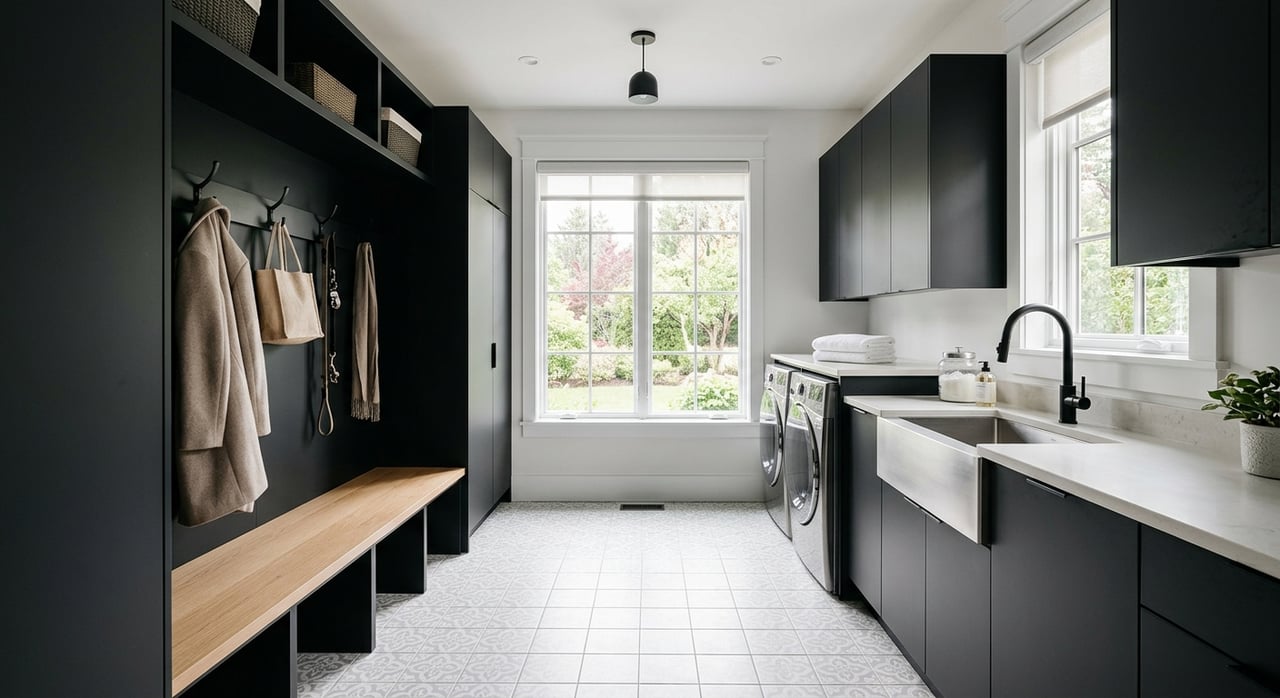
Should You Upsize or Downsize in St. Albert?
Wondering whether it makes more sense to move up or scale back in St. Albert? You are not alone. For many homeowners, this decision is less about chasing a bigger price tag and more about finding the right fit for your life, your budget, and your day-to-day routine. In this guide, you will learn how to tell whether upsizing or downsizing makes sense, what local housing patterns suggest, and which St. Albert neighborhoods may match your next chapter. Let’s dive in.
St. Albert is a city where life-stage moves are common. In the 2024 municipal census, the city recorded 72,316 residents and 28,323 dwellings, with 84.5% of residents owning their homes. That high ownership rate means many people are not just entering the market, but also rethinking whether their current home still fits.
The local housing mix also helps explain why this is such a timely question. Single-detached homes make up 67.64% of residences, while townhouses account for 9.5% and apartments under five storeys make up 13.5%. As your household changes, the choice between a detached home, townhouse, or condo can shift from a nice idea to a practical need.
St. Albert’s housing policy takes the same view. The city frames housing choice around life stage, income, and lifestyle, and specifically recognizes both seniors who are downsizing and younger families looking for more suitable homes. In other words, the best move is not always a bigger one. It is the one that fits you best.
Before you compare listings or estimate sale proceeds, pause and ask what is really driving the move. Are you running out of space, spending too much time on upkeep, changing your commute, or trying to reset your monthly costs? Your answer will usually point you toward the right direction.
A move-up decision often starts with pressure inside the home. Maybe bedrooms feel tight, storage is maxed out, or you want more room for work, hobbies, or guests. A downsize decision often starts with the opposite problem, where too much square footage, too many stairs, or too much maintenance no longer feels worth it.
In St. Albert, this is especially relevant because the city has both growing families and a large older population. Seniors age 65 and up make up 22.14% of residents, and 25.02% of residents are fully retired. At the same time, the city counted 11,159 K-12 students in 2024, which reflects the needs of many family households.
If your home feels harder to live in than it did a few years ago, that is a strong clue. Upsizing is often about improving suitability, not simply buying more house. St. Albert’s housing-need framework specifically treats housing as a question of adequacy, suitability, and affordability.
Here are some common signs you may be ready to move up:
Detached homes in St. Albert average 2.8 people per household, compared with 2.0 people in apartments. That gap reflects what many buyers already know from experience. As household size grows, space needs usually grow with it.
Commute and routine can matter just as much as square footage. In St. Albert, 42.71% of working residents commute to Edmonton, while 12.76% work from home. If your job pattern has changed, moving to a home with a better layout or access to St. Albert Transit routes could make everyday life much smoother.
If you are looking for more space, St. Albert offers several neighborhood styles to explore. The city notes that families can choose homes near parks and schools, while buyers at different life stages can find a range of housing types across the community.
Kingswood is one example often associated with larger, low-density single-family homes. It includes luxury homes in the $600,000s and can appeal to buyers who want more room and a traditional detached-home setting.
Jensen Lakes offers a different kind of move-up option. It includes estate homes, single-family homes, townhomes, and duplexes, which gives you flexibility if you want newer housing in a modern lake community.
Braeside and The Gardens can also work for move-up buyers. Both offer detached homes along with some townhome and condo options, which can be helpful if you want more space without limiting your resale flexibility later.
Downsizing is not about settling. In many cases, it is about simplifying your life, reducing upkeep, and putting your money where it matters most to you. A smaller home can still be the right home.
You may be ready to downsize if:
This choice has clear local relevance in St. Albert. The city’s housing policy specifically includes seniors who are downsizing as part of the housing mix it aims to support. Apartment households average 2.0 people, which also reflects a strong local pattern toward smaller household living.
Mission is one of the clearest examples for downsizing in St. Albert. It has a median age of 55.4 and offers a mix of low- and medium-density housing, including many condos. Some properties are in the $250,000 range, which may appeal if you want a more value-conscious transition.
Braeside is another neighborhood worth considering. It includes a small selection of apartments, duplexes, condos, and townhouses, giving you options if your goal is lower maintenance rather than leaving a familiar part of the city.
The Gardens can also suit downsizers who want flexibility. With single-family homes, condos, and townhouses in a mature setting, it can offer a balance between convenience, familiarity, and right-sized living.
The smartest way to evaluate an upsize or downsize move is to compare your full monthly cost, not just sale price. St. Albert’s housing-need page describes affordability as spending no more than 30% of gross income on housing. That benchmark gives you a simple way to test whether your next home supports your wider financial goals.
Housing type can change the conversation quickly. In the Greater Edmonton Area market statistics available in March 2026, average prices were $590,162 for detached homes, $436,997 for semi-detached homes, $307,666 for row or townhomes, and $212,054 for apartment condos. Even if your final choice is in St. Albert specifically, this regional snapshot shows how much your property type influences your budget.
If you are upsizing, ask whether the added space also adds a payment you will feel every month. If you are downsizing, ask whether the lower purchase price also reduces maintenance, taxes, and overall stress. The goal is not just to move. It is to improve your position.
Your sale proceeds are not the same as your budget. Before you make a plan, factor in the costs that come with selling one home and buying another.
In Alberta, there is currently no land transfer tax, though transfer registration fees still apply. That can help compared with some other provinces, but it does not mean the move is cost-free.
You should also account for closing costs on the purchase side. Typical upfront closing costs can run about 1.5% to 4% of the purchase price and may include home inspection fees, legal fees, property tax adjustments, and title insurance.
Property taxes matter too. In St. Albert, the approved 2026 budget calls for an average property tax increase of $29 per $100,000 of assessed value. If you are moving into a higher-value property, that change should be part of your monthly planning.
One of the biggest surprises in a move is what happens to your current mortgage. If you sell before the end of a closed mortgage term, you may face a prepayment penalty. That cost can be significant enough to affect the timing of your move.
In some cases, a portable mortgage may allow you to transfer your existing balance, rate, and terms to a new property, depending on your lender’s rules. This is one reason it helps to compare scenarios before you commit to a listing or an offer.
A simple planning conversation should cover:
For many homeowners, the sale of a principal residence is straightforward. If the home was solely your principal residence for every year you owned it, the gain is generally tax-free.
But that is not always the full story. If part of the home was used for rental or business purposes, or if the property was not solely your principal residence for every year owned, part of the gain may be taxable and the sale must be reported. If that applies to you, it is wise to sort it out early so there are no surprises later.
If you are still unsure which direction fits, it can help to frame the decision around your current chapter.
A move-up may make sense if you need more bedrooms, more flexible living space, or a home that better supports family routines. Northern and western St. Albert neighborhoods are attracting younger families, according to the 2024 census summary, which may be useful as you narrow your search.
A downsize may make sense if you want less upkeep, lower carrying costs, or a property type that is easier to manage. The more mature eastern neighborhoods are home to more senior residents, which can be useful context if you want an area with a housing mix that supports smaller households.
A move in either direction should still meet your affordability goals. St. Albert also defines market affordable housing as the lowest 25% of homes sold in a year for households entering the market or downsizing, which shows that lower-cost options are part of the local housing conversation.
Whether you are upsizing or downsizing, the best outcome starts with a clear plan for timing, budget, and property type. You want to know what your current home could sell for, what your next move could realistically cost, and how the transition will affect your day-to-day life.
That is where a thoughtful local strategy matters. With buyer guidance, seller marketing, valuations, transaction coordination, and support like staging and vendor referrals, the right team can help you compare options with confidence instead of guesswork.
If you are weighing your next move in St. Albert, The Anderson Co. can help you map out the numbers, the timing, and the best-fit strategy for your next chapter.


Through curated systems and a collective approach, we deliver a positive experience in one of the most significant transactions of your life. Establishing foundational relationships built on trust, education, transparency and fun, we are committed to supporting our clients in a successful real estate journey. Contact us today!